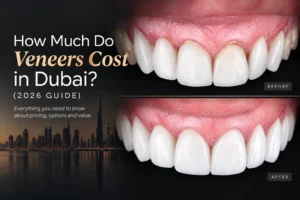
For the right person, yes, veneers can be well worth it. Well-made porcelain veneers can change the shape, colour and proportion of your smile, and research suggests most are still in service after ten years. But they are an irreversible commitment that usually involves some enamel removal, so they suit people with clear goals and healthy teeth, not everyone.
That’s the short answer. The longer one depends on you: your teeth, your face, your expectations and your budget. After years of designing smiles in Dubai, I’ve seen veneers give people a confidence they hadn’t felt in decades. I’ve also turned patients away when a simpler treatment was the better choice. Here is how I’d talk it through with you in the chair.
What do veneers actually do?
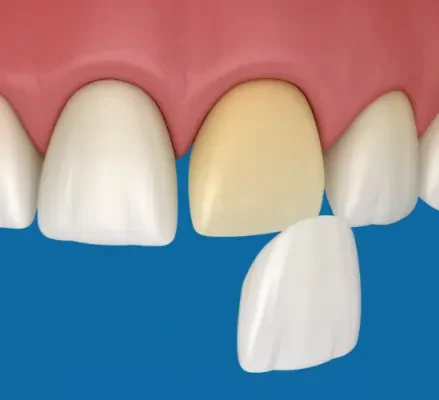
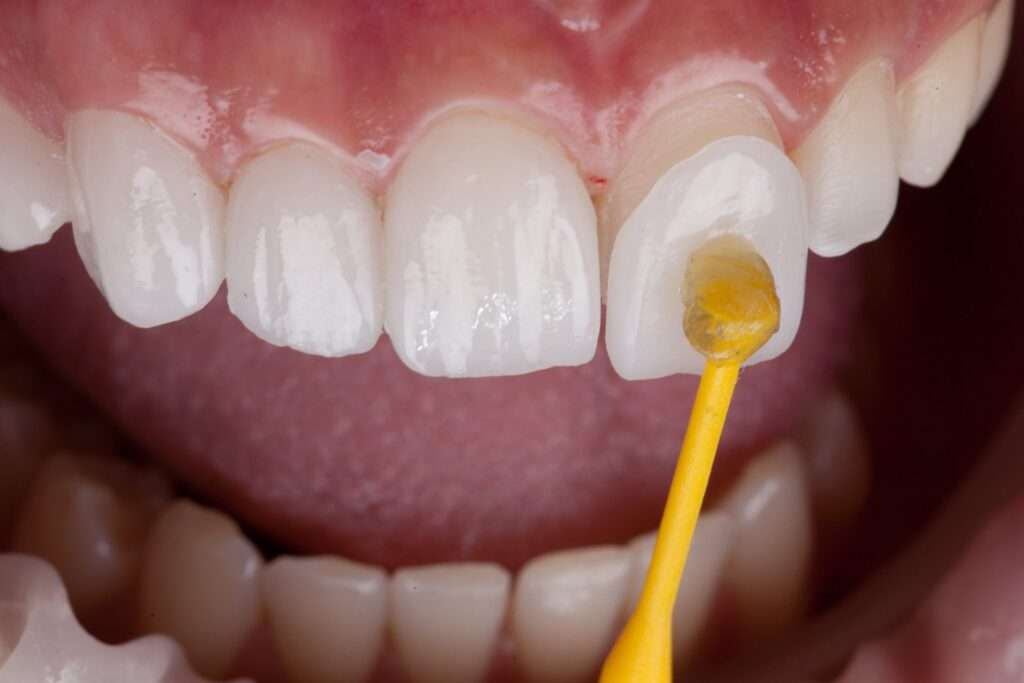
A veneer is a thin shell, usually porcelain or composite resin, bonded to the front surface of a tooth. It can change a tooth’s colour, length, width and shape. Veneers are a good match for stubborn discolouration that whitening won’t touch, small chips, worn edges, minor gaps and teeth that are slightly uneven or out of proportion.
What they don’t do is fix a badly misaligned bite or replace a missing tooth. Those problems need different solutions, and I’ll often suggest orthodontics or other restorative work first.
What are the real benefits of veneers?
They can look very natural
Modern ceramics reflect and transmit light much like enamel does. When the shape and shade are chosen carefully, people should notice that you look well, not that you’ve “had your teeth done.”
Porcelain resists staining
Glazed porcelain doesn’t absorb coffee, tea or shisha stains the way natural enamel can. Your gum line and the edges still need good care, but the veneer surface itself holds its colour well.
They tend to last
Studies on porcelain veneers report survival rates of roughly 90 to 95% at around ten years, with longevity dropping over longer periods. How long yours last depends on your bite, habits like grinding, gum health and how they were planned and bonded. Individual results vary.
They can change more than colour
This is where veneers differ from whitening. Because they reshape teeth, they can correct proportions and create harmony across the whole smile. That’s the heart of The MB Concept, where I use Visagism to design a smile around your face, features and personality rather than applying a template.
What are the downsides of veneers?
I’d rather you hear these from me now than discover them later.
Porcelain veneers are usually irreversible
Most porcelain veneers need a small amount of enamel removed so they sit flush and look natural. Once enamel is gone, it doesn’t grow back, so you will always need some form of covering on those teeth. Some cases allow minimal or no preparation, but that depends on your starting point.
They will eventually need replacing
Veneers are long-lasting, not permanent. Chips, gum changes or simple wear over time mean you should plan for maintenance or replacement at some point.
Sensitivity is possible
Some patients notice temperature sensitivity for a short time after preparation. For most it settles, but it’s worth knowing about.
Cost
Veneers are a significant investment, which brings us to the question everyone asks.
How much do veneers cost in Dubai?
Published Dubai price ranges for porcelain veneers vary widely, from roughly AED 1,500 to AED 4,500 or more per tooth, with some advertised offers lower still. The difference usually comes down to the ceramic used, the laboratory and ceramist, the planning involved and the clinician’s experience.
In my experience, the cheapest quote rarely tells you what you’re actually getting. Ask what’s included: digital planning, a trial smile, temporaries and follow-up visits. Individual costs vary and I can only give an accurate figure after examining your teeth.
Who are veneers worth it for?
Veneers tend to be a good choice if you:
- Have healthy teeth and gums, or are willing to treat any problems first
- Are bothered by colour, shape or proportion that whitening or bonding can’t fix
- Want a long-term result and are prepared to maintain it
- Have realistic expectations about what a natural result looks like
They may not be the best fit if you grind heavily without wearing a night guard, have active gum disease, or only need a small change that composite bonding or whitening could achieve. You can compare options on my treatments page.
How do I know if veneers will suit my face?
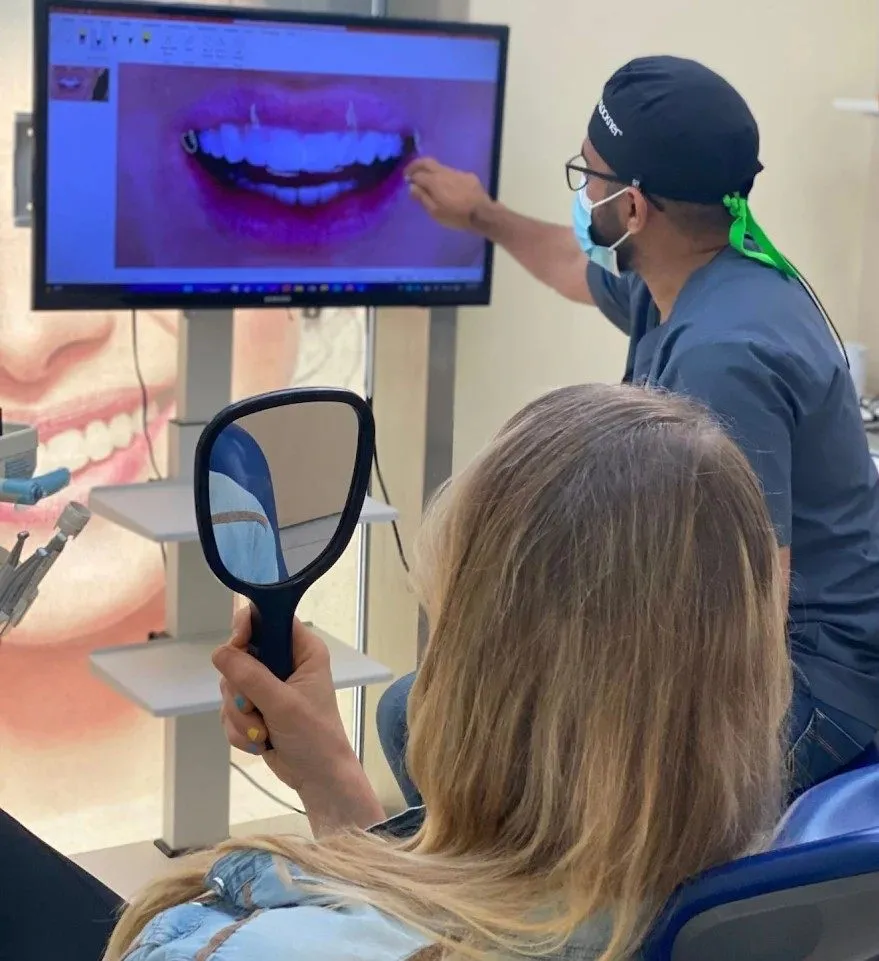
This is the question I care about most. A smile that looks beautiful on one person can look artificial on another. Before anything is permanent, I plan your smile digitally and, where appropriate, let you preview it in your mouth with a trial mock-up. You see it, live with the idea, and we adjust it together.
If you’d like to see the kind of natural results I aim for, take a look at my work.
So, are veneers worth it?
If you choose them for the right reasons, with a clinician who plans carefully and tells you honestly what to expect, veneers can be one of the most rewarding decisions you make for your smile. If a simpler option will get you there, I’ll tell you that too.
If you’re weighing it up, I’d be happy to talk it through. You can message my team on WhatsApp to book a consultation, and we’ll look at whether veneers, or something else, makes sense for you.
Frequently Asked Questions
Do veneers damage your natural teeth?
Porcelain veneers usually require a thin layer of enamel to be removed, which is irreversible. When planned conservatively and bonded well, the underlying tooth stays healthy, but it will always need to be covered.
How long do porcelain veneers last?
Research suggests around 90 to 95% of porcelain veneers are still functioning after about ten years. Lifespan depends on your bite, habits, oral hygiene and regular check-ups. Individual results vary.
Are composite veneers a cheaper alternative?
Composite bonding generally costs less and often needs little or no enamel removal. It is more prone to staining and chipping and usually needs more frequent touch-ups than porcelain.
Can I whiten my veneers later?
No. Whitening products don’t change the colour of porcelain or composite. If you’d like your natural teeth whiter, it’s best to whiten before your veneer shade is chosen.
Does getting veneers hurt?
Treatment is carried out under local anaesthetic, so most patients feel comfortable during the procedure. Some notice mild sensitivity for a short time afterwards, which typically settles.
Individual results may vary. This article is for general information and does not replace a personal consultation.